What Beginner Traders Should Know About Volatility
If you're new to Forex trading, you've probably heard experienced traders mention volatility frequently. But what exactly does this term mean, and why should beginners care? Volatility refers to how much and how quickly currency prices move up and down over time. Understanding volatility is essential because it directly affects your potential profits, losses, and overall trading strategy. In this guide, you'll discover what volatility means, how to measure it, and practical ways to trade safely in volatile markets.
What Is Volatility in Forex Trading?
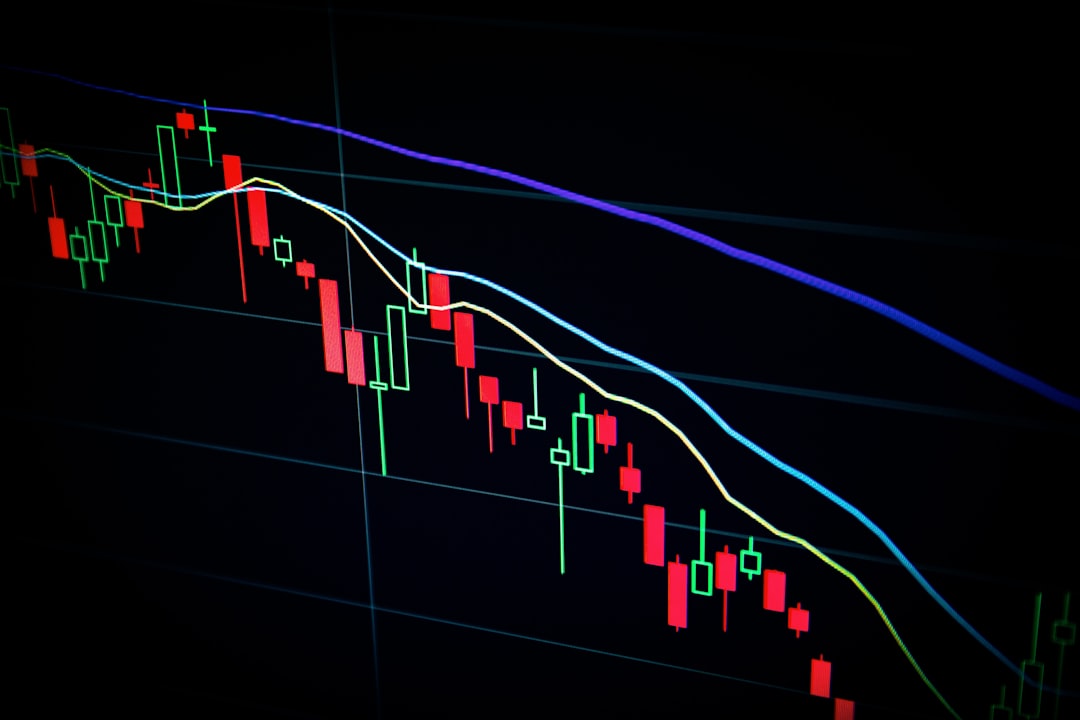
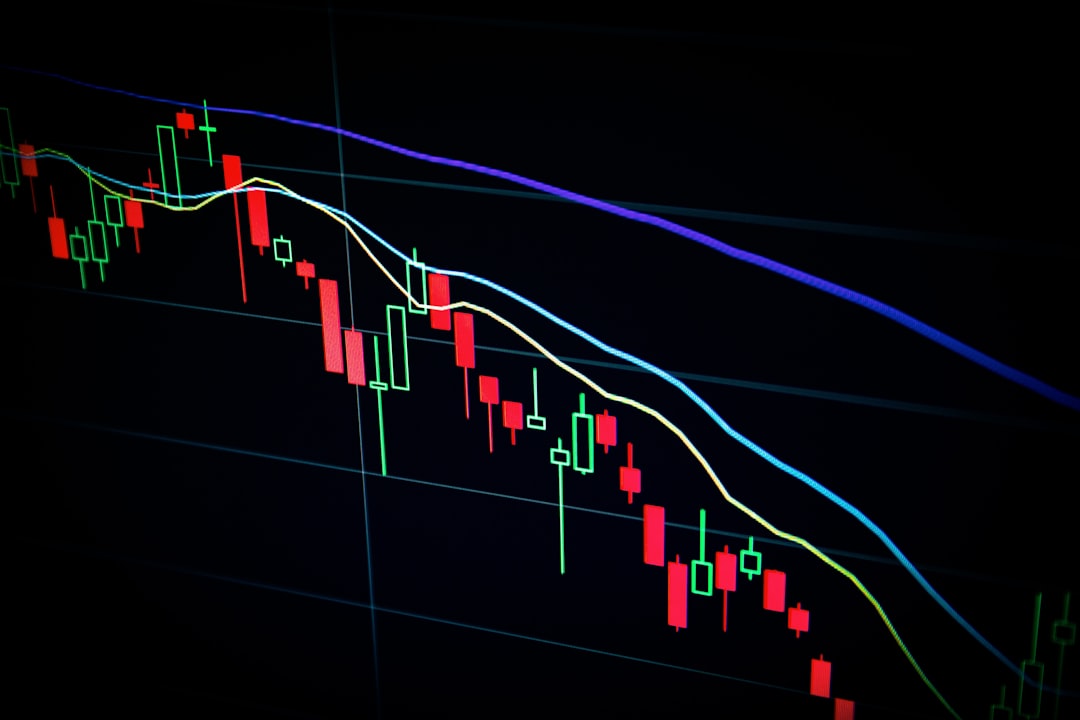
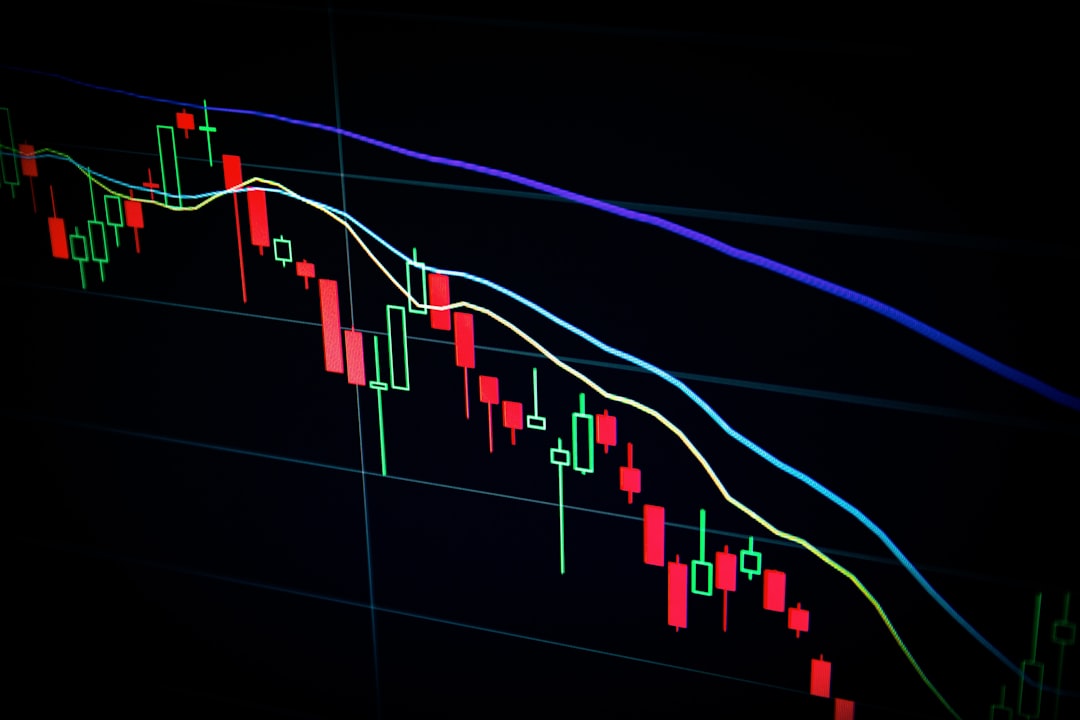
Volatility measures the degree of price fluctuation in a currency pair over a specific period. High volatility means prices swing dramatically in short timeframes, while low volatility indicates stable, gradual price movements. For example, during major economic announcements like central bank interest rate decisions, currency pairs often experience sudden, sharp movements. This creates opportunities for quick profits but also increases the risk of significant losses. Beginners must understand that volatility is neither good nor bad—it's simply a characteristic of the market that requires appropriate strategies. Some traders thrive in volatile conditions, while others prefer calmer markets where price changes are more predictable.
Common Causes of Market Volatility
Several factors trigger increased volatility in Forex markets, and recognizing them helps you prepare mentally and strategically. Economic data releases such as employment reports, GDP figures, and inflation data often cause immediate price reactions. Geopolitical events like elections, trade negotiations, or international conflicts create uncertainty that drives rapid price changes. Central bank announcements regarding monetary policy, interest rates, or quantitative easing programs significantly impact currency values. Additionally, market sentiment shifts and unexpected news can amplify volatility. Understanding these triggers allows you to avoid trading during highly unpredictable times or to prepare with appropriate risk management tools like stop-loss orders.
How Volatility Affects Your Trading
Volatility impacts every aspect of your trading experience, especially as a beginner. Here's what you need to know:
- Profit potential: Higher volatility creates larger price movements, offering opportunities for bigger gains in shorter periods.
- Loss risk: The same price swings that create profit opportunities can also trigger substantial losses if trades move against you.
- Spread costs: During volatile periods, brokers often widen spreads (the difference between buy and sell prices), increasing your trading costs.
- Emotional stress: Rapid price changes can cause anxiety and lead to impulsive decisions that deviate from your trading plan.
- Stop-loss execution: Extreme volatility may cause slippage, where your stop-loss order executes at a worse price than intended.
Beginners should start with lower-volatility pairs and gradually build experience before tackling highly volatile markets.
Comparing Volatility Across Currency Pairs
Not all currency pairs behave the same way. Understanding the typical volatility levels helps you choose appropriate pairs for your skill level and risk tolerance.
| Currency Pair Type | Volatility Level | Best For |
|---|---|---|
| Major Pairs (EUR/USD, USD/JPY) | Low to Moderate | Beginners learning basics |
| Minor Pairs (EUR/GBP, AUD/NZD) | Moderate | Intermediate traders |
| Exotic Pairs (USD/TRY, EUR/ZAR) | High | Experienced traders only |
| Commodity Currencies (AUD/USD, CAD/USD) | Moderate to High | Traders comfortable with news |
Major pairs typically offer tighter spreads and more predictable movements, making them ideal starting points. Exotic pairs may seem attractive due to large price swings, but they carry substantially higher risks and costs that can quickly deplete beginner accounts.
Practical Tips for Trading Volatile Markets
Managing volatility effectively requires discipline and preparation. First, always use stop-loss orders to limit potential losses on every trade—this protects your account from devastating moves. Second, reduce your position sizes during high-volatility periods to maintain consistent risk levels. Third, avoid trading during major news releases until you develop experience reading market reactions. Fourth, monitor the VIX or ATR indicators (Average True Range) to measure current volatility levels objectively. Finally, stick to your trading plan regardless of emotional impulses triggered by rapid price movements. Remember that preserving your capital during volatile times is more important than chasing every opportunity.
Understanding volatility is a fundamental skill that separates successful traders from those who struggle. By recognizing what causes volatility, how it affects your trades, and which strategies help manage it, you'll build a solid foundation for long-term trading success. Start with stable currency pairs, practice proper risk management, and gradually expand your comfort zone as your experience grows.