The Best Trading Habits for Beginner Forex Traders
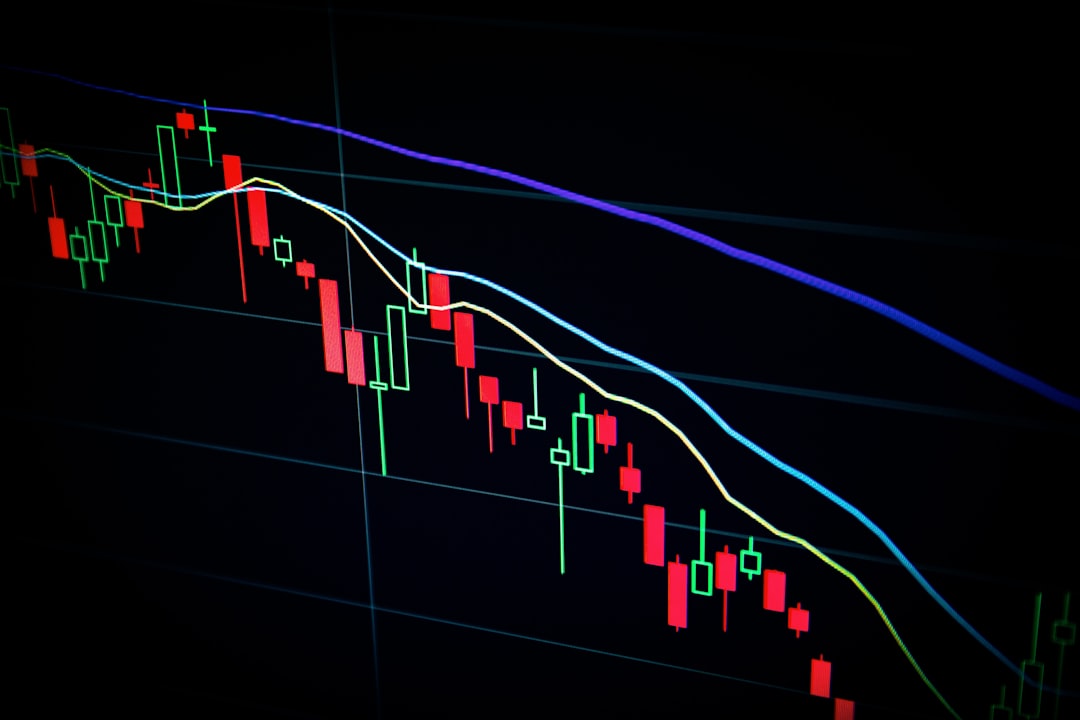
Starting your Forex trading journey can feel overwhelming with countless strategies, indicators, and market news competing for your attention. However, the most successful traders don't succeed because they found a magic formula—they succeed because they developed strong trading habits early on. This guide reveals the essential habits that separate consistently profitable beginners from those who struggle, helping you build a solid foundation for long-term trading success without falling into common psychological traps.
Create and Follow a Written Trading Plan
A trading plan is your personal rulebook that defines when you enter trades, when you exit, and how much capital you risk. Without one, you're essentially gambling rather than trading systematically. Your plan should specify which currency pairs you'll trade, what time frames you'll use, your entry and exit criteria, and your daily loss limits. Write it down and review it before every trading session.
Many beginners skip this step and trade on impulse or emotion, leading to inconsistent results and unnecessary losses. Your trading plan keeps you accountable and provides a framework for analyzing what works and what doesn't. As you gain experience, you can adjust your plan based on actual performance data rather than hunches or emotions.
Practice Strict Risk Management Every Single Trade
The golden rule of Forex trading is simple: never risk more than 1-2% of your account on a single trade. This habit protects you from devastating losses that can wipe out weeks or months of progress. Before entering any position, calculate your position size based on your stop-loss distance and account balance.
| Risk Management Rule | Description | Why It Matters |
|---|---|---|
| 1-2% Risk Per Trade | Limit loss to small percentage of capital | Protects account from single bad trade |
| Risk-Reward Ratio 1:2 | Target twice your risk amount | Ensures profitability even with 50% win rate |
| Always Use Stop-Loss | Automatic exit at predetermined level | Prevents emotional decision-making during losses |
| Never Move Stop-Loss | Honor original risk assessment | Maintains discipline and prevents larger losses |
Using stop-loss orders on every trade is non-negotiable. This automated protection removes emotion from the equation when a trade moves against you, preventing the common beginner mistake of holding losing positions hoping they'll recover.
Maintain a Detailed Trading Journal
Keep a trading journal that records more than just wins and losses—document your emotional state, market conditions, why you entered the trade, and what you learned afterward. This habit transforms random trading experiences into valuable learning data. Include screenshots of your entry and exit points so you can review your decision-making process objectively later.
Review your journal weekly to identify patterns in your trading behavior. You might discover that you're more profitable trading certain pairs, that you make better decisions in the morning, or that you consistently exit winning trades too early. These insights are impossible to gain without systematic record-keeping and become the foundation for improving your performance over time.
Limit Your Daily Screen Time and Trading Hours
Contrary to what many beginners believe, watching charts all day doesn't make you a better trader—it often makes you worse. Set specific trading hours that align with the most active sessions for your chosen currency pairs, then step away from the screen. Overtrading from boredom or trying to "make back" losses leads to impulsive decisions and increased risk.
The Forex market operates 24 hours, but you don't need to. Choose one or two trading sessions that match your schedule and strategy, such as the London open or New York session. This focused approach helps you develop expertise in specific market conditions rather than spreading your attention too thin. Use alerts and limit orders so you don't need to constantly monitor positions.
Commit to Continuous Education Without Analysis Paralysis
Successful traders never stop learning, but they also avoid the trap of perpetual education without action. Dedicate time each week to studying market analysis, reading about economic indicators, or reviewing trading books—but set a limit. Too much information can lead to confusion and delayed decision-making when it's time to trade.
Focus on mastering one strategy thoroughly before jumping to another. Many beginners fail because they constantly chase new systems, never giving any single approach enough time to work. Choose a simple, proven method, practice it on a demo account until consistent, then transition to live trading with small positions. Education should enhance your existing approach, not constantly replace it with something new.
Building strong trading habits takes time and conscious effort, but these foundational practices give you the discipline and structure needed for long-term success in Forex markets. Remember that consistency matters more than perfection—even experienced traders have losing trades. The difference is that traders with good habits protect their capital, learn from mistakes, and stay in the game long enough to benefit from their growing experience. Start implementing these habits today, one at a time, and track your progress through your trading journal.