The Truth About Fast Money in Forex Trading
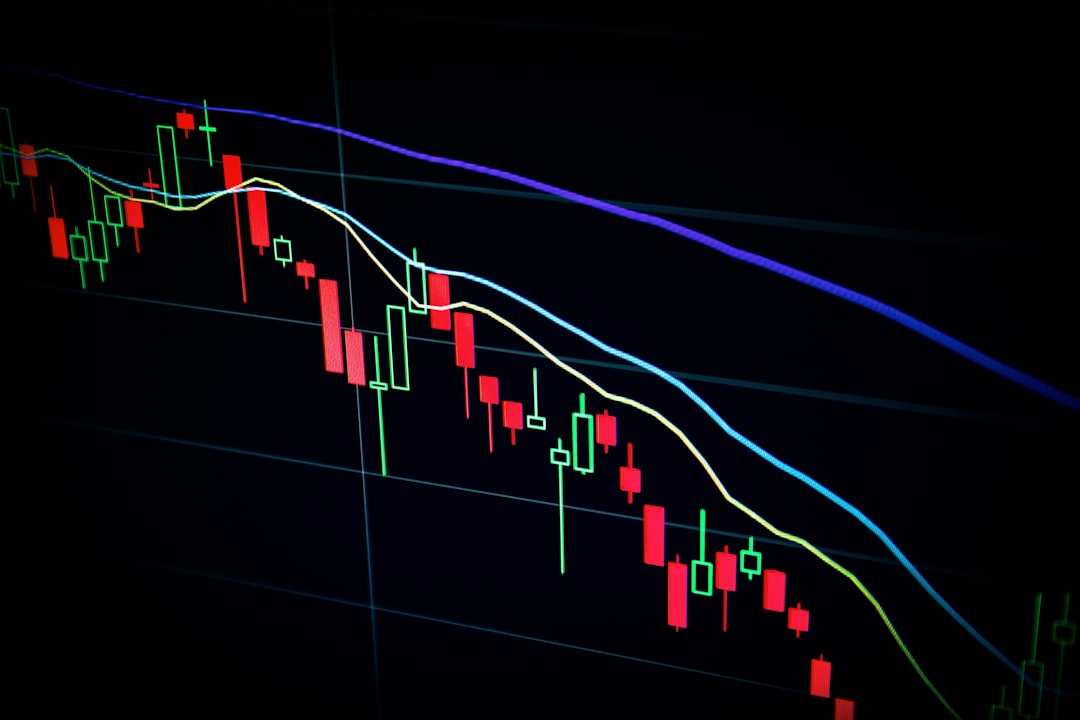
You've probably seen ads promising quick riches through Forex trading: "Turn $100 into $10,000 in one week!" or "This secret system generates $500 daily!" These claims target beginners hoping to solve financial problems quickly. The reality is far different from these promises, and understanding the truth about fast money in Forex can save you from devastating losses and help you approach trading with realistic expectations and proper risk management.
Why Fast Money Claims Are Dangerous
The Forex market is the world's largest financial market, with over $7 trillion traded daily. This liquidity and 24-hour accessibility make it appealing to new traders seeking quick profits. However, the very features that make Forex accessible also create significant risks for those chasing fast money. High leverage—borrowing capital to increase position size—can amplify both gains and losses. While you might occasionally see spectacular wins, the probability of consistent fast profits is extremely low for beginners.
Marketing materials often showcase cherry-picked winning trades while hiding the losses. Professional traders know that sustainable profitability comes from consistent small gains over time, not occasional large wins. The traders who survive long-term focus on preserving capital first and growing it second. Chasing fast money typically leads to overleveraging, emotional decision-making, and account depletion within weeks or months.
The Reality of Forex Profitability
Professional traders approach Forex as a business requiring education, practice, strategy development, and disciplined execution. Most successful traders report annual returns between 10-30%, not the 100-500% monthly gains advertised by questionable sources. These realistic returns require:
- Extensive education: Understanding market mechanics, technical analysis, fundamental analysis, and trading psychology
- Practice time: Months of demo trading to test strategies without risking real capital
- Risk management: Never risking more than 1-2% of your account on any single trade
- Emotional control: Managing fear and greed that lead to impulsive decisions
- Patience: Waiting for high-probability setups rather than forcing trades
The learning curve for Forex trading typically spans 1-3 years before traders achieve consistent profitability. During this period, most traders experience losses as they develop skills and refine their approach.
Common Fast Money Traps for Beginners
| Trap | Promise | Reality | Consequence |
|---|---|---|---|
| Excessive Leverage | Multiply profits quickly | Multiplies losses equally | Rapid account depletion |
| Signal Services | Copy expert trades easily | You don't learn strategy | Dependency without skills |
| Scalping Without Experience | Many small quick profits | High stress, frequent losses | Emotional burnout |
| Trading Without Stop-Loss | Avoid being stopped out | Single bad trade wipes account | Total capital loss |
Building Sustainable Trading Success
Rather than chasing fast money, successful traders build their skills systematically. Start with demo accounts where you can practice with virtual money while learning market behavior. Study one currency pair thoroughly before expanding to others—the EUR/USD pair is popular among beginners due to tight spreads and predictable patterns.
Develop a trading plan that defines your entry rules, exit rules, position sizing, and risk management. Document your trades in a journal, noting what worked and what didn't. This record becomes invaluable for identifying patterns in your decision-making and improving your approach over time.
Most importantly, accept that losses are part of trading. Even professional traders win only 50-60% of their trades—they succeed by managing risk so winning trades outweigh losing ones. Your goal isn't to win every trade but to maintain a positive expectancy over many trades.
The Right Mindset for Forex Trading
Successful Forex trading requires shifting from a "get rich quick" mindset to a "business development" mindset. Treat your trading capital as business investment, not gambling money. Allocate only funds you can afford to lose completely without affecting your lifestyle. Many experts recommend starting with at least $1,000-$2,000 after demo practice, as smaller amounts face proportionally higher transaction costs through spreads.
Set realistic profit targets based on your account size and risk tolerance. Aiming for 5-10% monthly growth is ambitious but achievable with experience, while 50-100% monthly targets almost guarantee failure through excessive risk-taking. Remember that compounding modest gains over time produces substantial results—a consistent 8% monthly return doubles your account in less than a year.
Understanding the truth about fast money in Forex protects you from unrealistic expectations and costly mistakes. Focus on education, practice, risk management, and patience rather than quick profits. Successful trading is a marathon, not a sprint. Start your journey with demo accounts, develop a solid strategy, and commit to continuous learning. The sustainable approach may seem slower, but it's the only path to long-term success in the Forex market.