How to Identify Forex Market Trends More Easily
Identifying market trends is one of the most important skills for any Forex trader. Many beginners struggle to understand whether a currency pair is moving up, down, or sideways, which leads to poor trading decisions and losses. In this guide, you'll learn practical methods to spot Forex trends more easily, understand the tools that help you recognize trend direction, and avoid common mistakes that confuse new traders.
Understanding What a Forex Trend Actually Means
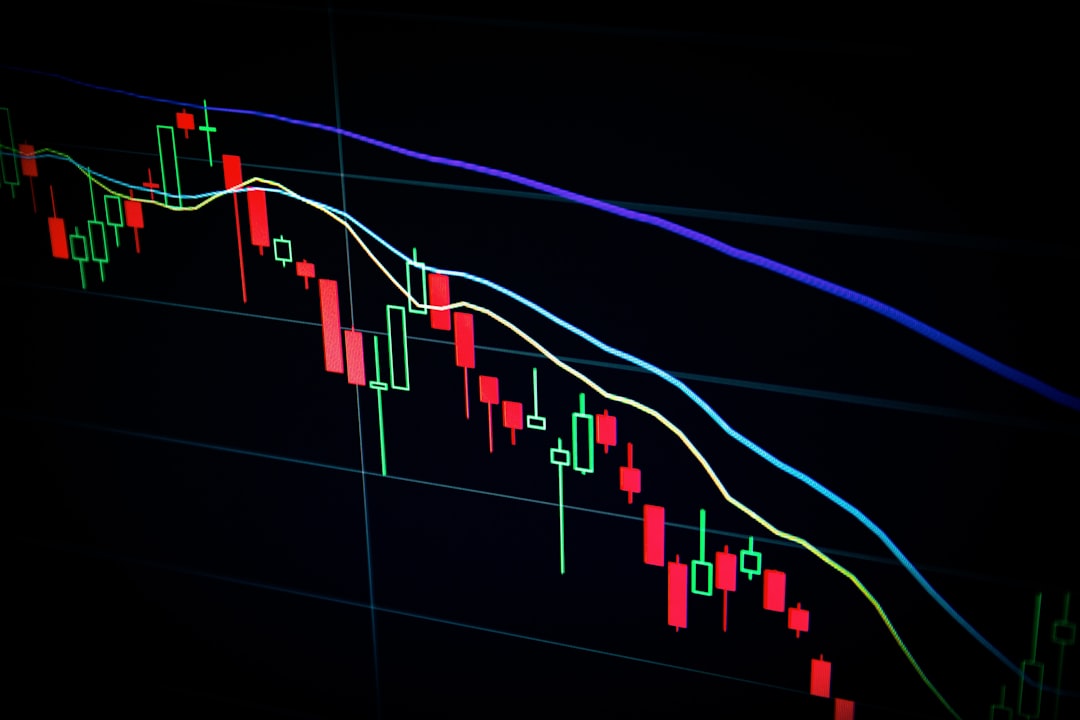
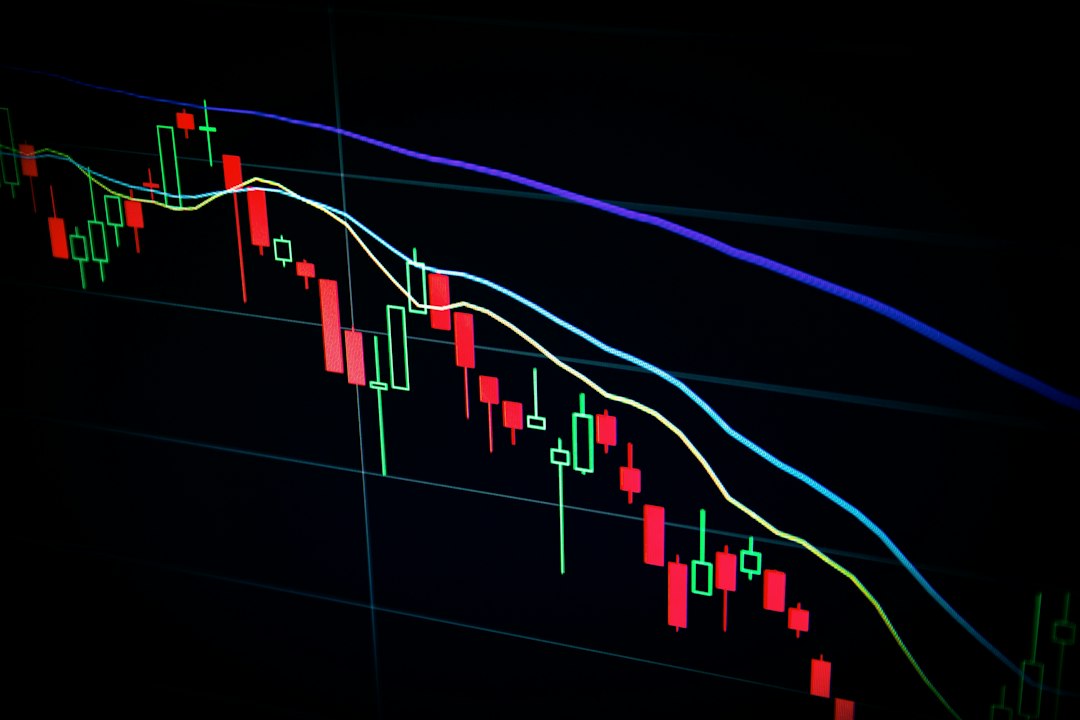
A trend in Forex represents the general direction in which a currency pair is moving over time. There are three basic types of trends you need to recognize: uptrends (higher highs and higher lows), downtrends (lower highs and lower lows), and sideways trends (horizontal price movement with no clear direction). Understanding these patterns is essential before you place any trade.
Most profitable trading strategies work by identifying the trend and trading in its direction. The famous trading principle "the trend is your friend" exists because fighting against a strong trend typically results in losses. Beginners often make the mistake of trying to predict when trends will reverse instead of simply following the existing trend until clear reversal signals appear.
Simple Visual Methods to Spot Trends
The easiest way to identify trends is through visual chart analysis. Start by zooming out on your chart to see the bigger picture. If the price is making consecutive higher peaks and higher valleys, you're looking at an uptrend. If peaks and valleys are both declining, that's a downtrend. If the price bounces between similar levels without clear direction, the market is ranging.
Another simple technique is drawing trendlines. For an uptrend, connect the rising lows with a diagonal line. For a downtrend, connect the falling highs. When price respects these lines multiple times, the trend is considered valid and strong. Breaking through a trendline often signals a potential trend change, giving you important decision-making information.
| Trend Type | Price Pattern | Trading Strategy |
|---|---|---|
| Uptrend | Higher highs and higher lows | Look for buying opportunities on pullbacks |
| Downtrend | Lower highs and lower lows | Look for selling opportunities on rallies |
| Sideways | Horizontal movement between levels | Trade bounces between support and resistance |
Using Moving Averages to Confirm Trends
Moving averages are among the most popular tools for identifying trends because they smooth out price fluctuations and show the average direction. The most commonly used are the 50-period and 200-period moving averages. When price stays above a rising moving average, the trend is up. When price stays below a falling moving average, the trend is down.
A simple rule: when the shorter moving average (like the 50-period) crosses above the longer one (like the 200-period), it's called a "golden cross" and suggests an uptrend is forming. When the shorter crosses below the longer, it's a "death cross" suggesting a downtrend. These crossovers help beginners confirm trend direction without relying solely on price action interpretation.
Common Mistakes Beginners Make When Identifying Trends
New traders often look at too short a timeframe and mistake normal price fluctuations for trend changes. Always check multiple timeframes—what looks like a reversal on a 5-minute chart might just be a small pullback in a strong daily uptrend. Another mistake is ignoring the overall market context and trading against major economic news or central bank decisions that drive long-term trends.
Many beginners also fail to wait for trend confirmation. Just because price moved up for a few candles doesn't mean an uptrend has started. Professional traders wait for the pattern to establish itself with multiple higher highs and lows before committing capital. Patience in trend identification prevents false signals and protects your trading account from unnecessary losses.
Practical Tips to Improve Your Trend Recognition Skills
Start by practicing on historical charts without placing real trades. Scroll back in time and try identifying trends using the methods described above. Mark where you would have entered and exited trades. This practice builds your pattern recognition skills without financial risk. Use a demo account to test your trend identification in real-time market conditions.
Keep a trading journal documenting the trends you identify and the reasoning behind your analysis. Review your journal weekly to see which methods work best for you and which signals you might be misinterpreting. Over time, you'll develop an intuitive sense for trend direction that combines visual analysis, indicators, and experience.
Identifying Forex trends becomes easier with practice and consistent use of simple tools like trendlines and moving averages. Focus on higher timeframes for clearer signals, wait for confirmation before entering trades, and always trade in the direction of the established trend. By mastering these fundamental skills, you'll make more informed trading decisions and significantly improve your chances of success in the currency markets.