The Difference Between Scalping and Swing Trading
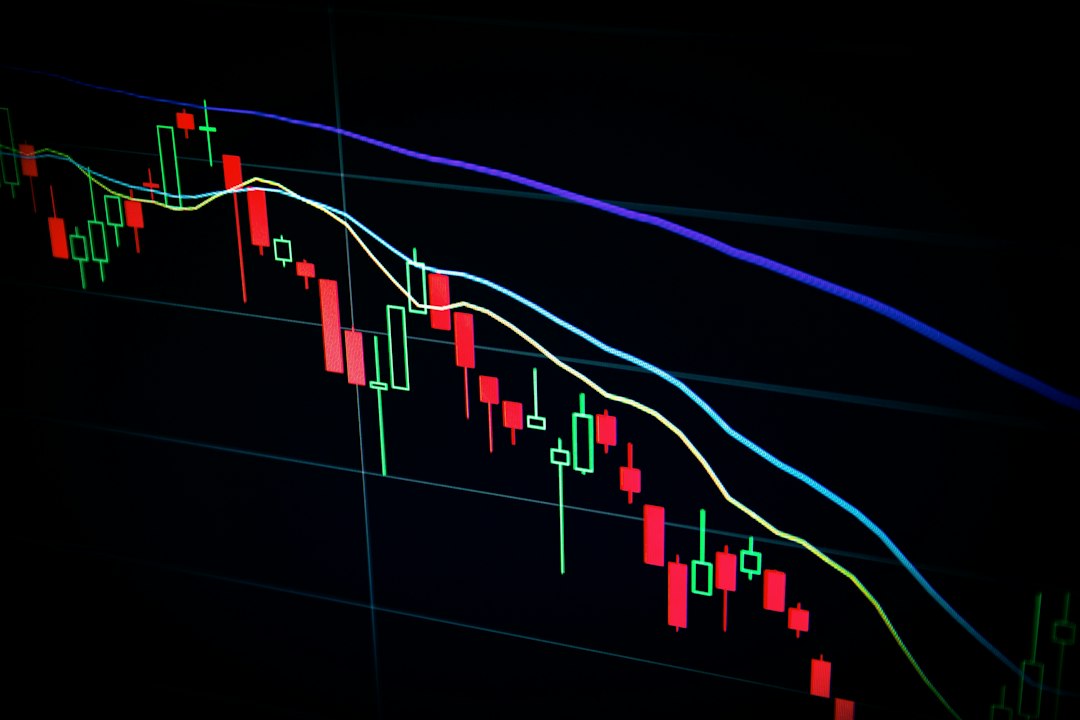
When you start trading Forex, choosing the right trading style is just as important as learning market analysis. Two popular approaches—scalping and swing trading—represent opposite ends of the trading spectrum. Scalping focuses on capturing tiny profits from quick trades lasting seconds to minutes, while swing trading aims for larger gains over days or weeks. Understanding these differences helps you select a strategy that matches your personality, available time, and stress tolerance. This guide breaks down both methods so you can make an informed decision about which path suits you best.
What Is Scalping in Forex Trading?
Scalping is a high-speed trading strategy where traders open and close positions within minutes or even seconds. Scalpers aim to profit from small price movements, typically targeting 5-15 pips per trade. This approach requires constant market monitoring and quick decision-making. Because profits per trade are small, scalpers execute dozens or even hundreds of trades daily to accumulate meaningful returns.
Scalping demands intense concentration and the ability to remain calm under pressure. Traders use tight stop-loss orders to limit losses and rely heavily on technical indicators like moving averages and momentum oscillators. Transaction costs become critical since frequent trading means paying spreads repeatedly. Most scalpers trade during high-liquidity sessions when bid-ask spreads are narrowest, such as the London or New York sessions.
Understanding Swing Trading Strategy
Swing trading takes a completely different approach by holding positions for several days to weeks. Swing traders identify medium-term price trends and aim to capture larger price movements, often targeting 50-200 pips or more per trade. This style requires patience and the ability to withstand short-term price fluctuations without panic-selling.
Swing traders focus on both technical and fundamental analysis. They study chart patterns, support and resistance levels, and economic news that might influence currency pairs over several days. Unlike scalpers, swing traders don't need to watch charts constantly—checking positions 2-3 times daily is usually sufficient. This makes swing trading ideal for people with full-time jobs or other commitments. However, positions held overnight carry overnight risk from unexpected news or gap openings.
Key Differences: Time, Stress, and Capital
| Factor | Scalping | Swing Trading |
|---|---|---|
| Time Commitment | Full-time monitoring required | Part-time, few checks daily |
| Trade Duration | Seconds to minutes | Days to weeks |
| Profit Target | 5-15 pips per trade | 50-200+ pips per trade |
| Stress Level | Very high, intense | Moderate, patient approach |
| Transaction Costs | High due to frequency | Low, fewer trades |
The trading style you choose dramatically affects your daily routine and stress levels. Scalping requires you to be glued to your screen during trading hours, making rapid-fire decisions with little room for hesitation. This constant pressure isn't suitable for everyone. Swing trading offers more breathing room—you analyze the market, set your trade, and let it develop over days while managing risk with stop-loss orders.
Which Trading Style Matches Your Personality?
Choosing between scalping and swing trading depends on honest self-assessment. Scalping suits you if you thrive under pressure, can make instant decisions without second-guessing, have several uninterrupted hours daily for trading, and don't mind starting with smaller profits that accumulate over many trades.
Swing trading fits better if you prefer strategic thinking over rapid reactions, have a full-time job or limited trading hours, can tolerate seeing your positions move against you temporarily, and seek larger profits per trade while accepting fewer trading opportunities. Neither style is inherently superior—success depends on matching the method to your lifestyle and psychological makeup.
Risk Management Differences
Both styles require strict risk management, but the approach differs. Scalpers use very tight stop-losses (often 5-10 pips) because they can't afford large losses on any single trade when profits are small. They typically risk less than 1% of capital per trade and rely on high win rates to stay profitable.
Swing traders use wider stop-losses (30-100+ pips) to accommodate normal market fluctuation without getting stopped out prematurely. They may risk 1-2% per trade but compensate with higher profit targets and better risk-reward ratios (often 1:2 or 1:3). Swing traders also must account for overnight and weekend gaps—unexpected events that can cause prices to jump when markets reopen.
Conclusion: Both scalping and swing trading offer viable paths to Forex profitability, but they suit different trader personalities and lifestyles. Scalping demands intense focus and full-time availability, while swing trading allows flexibility and strategic patience. Start by honestly evaluating your available time, stress tolerance, and decision-making style. Consider practicing both methods on a demo account before committing real capital. Remember, successful trading isn't about choosing the "best" strategy—it's about finding the approach that aligns with your strengths and circumstances.