What Is Forex Trading and How Does It Actually Work?
If you've heard about people trading currencies and wondered what it's all about, you're not alone. Forex trading can seem mysterious at first, but it's actually a straightforward concept once you understand the basics. In this guide, you'll learn exactly what Forex trading is, how the currency market operates, and the fundamental principles that make this the world's largest financial market. By the end, you'll have a clear foundation to decide if Forex trading is right for you.
What Exactly Is Forex Trading?
Forex, short for foreign exchange, is the global marketplace where currencies are bought and sold. Unlike stock markets that have physical locations, the Forex market is completely digital and operates 24 hours a day, five days a week. When you trade Forex, you're simultaneously buying one currency while selling another, which is why currencies are always quoted in pairs like EUR/USD or GBP/JPY.
The Forex market handles over $7 trillion in daily transactions, making it the largest and most liquid financial market in the world. Participants include central banks, commercial banks, corporations, investment firms, and individual retail traders like you. The primary purpose of this market is to facilitate international trade and investment, but it also offers opportunities for speculation and profit through currency price movements.
How Currency Pairs Work in Forex
Understanding currency pairs is essential to grasping how Forex trading works. Every pair consists of a base currency and a quote currency. For example, in EUR/USD, the euro is the base currency and the US dollar is the quote currency. If EUR/USD is trading at 1.1000, this means one euro equals 1.10 US dollars.
When you believe a currency will strengthen against another, you buy (go long) on that pair. If you think it will weaken, you sell (go short). Here's what makes Forex unique: you can profit whether currencies go up or down, as long as you correctly predict the direction.
| Currency Pair Type | Examples | Characteristics |
|---|---|---|
| Major Pairs | EUR/USD, USD/JPY, GBP/USD | Most liquid, tightest spreads, always include USD |
| Minor Pairs | EUR/GBP, AUD/NZD, EUR/JPY | Good liquidity, exclude USD, moderate spreads |
| Exotic Pairs | USD/TRY, EUR/ZAR, USD/MXN | Lower liquidity, wider spreads, higher volatility |
The Mechanics of a Forex Trade
When you execute a Forex trade, several key elements come into play. First, you'll encounter the spread, which is the difference between the bid price (what buyers will pay) and the ask price (what sellers want). This spread represents your trading cost and varies by broker and currency pair.
Next is leverage, a powerful tool that allows you to control larger positions with less capital. For instance, 50:1 leverage means you can control $50,000 with just $1,000 in your account. While leverage magnifies potential profits, it equally amplifies potential losses, making risk management absolutely critical for beginners.
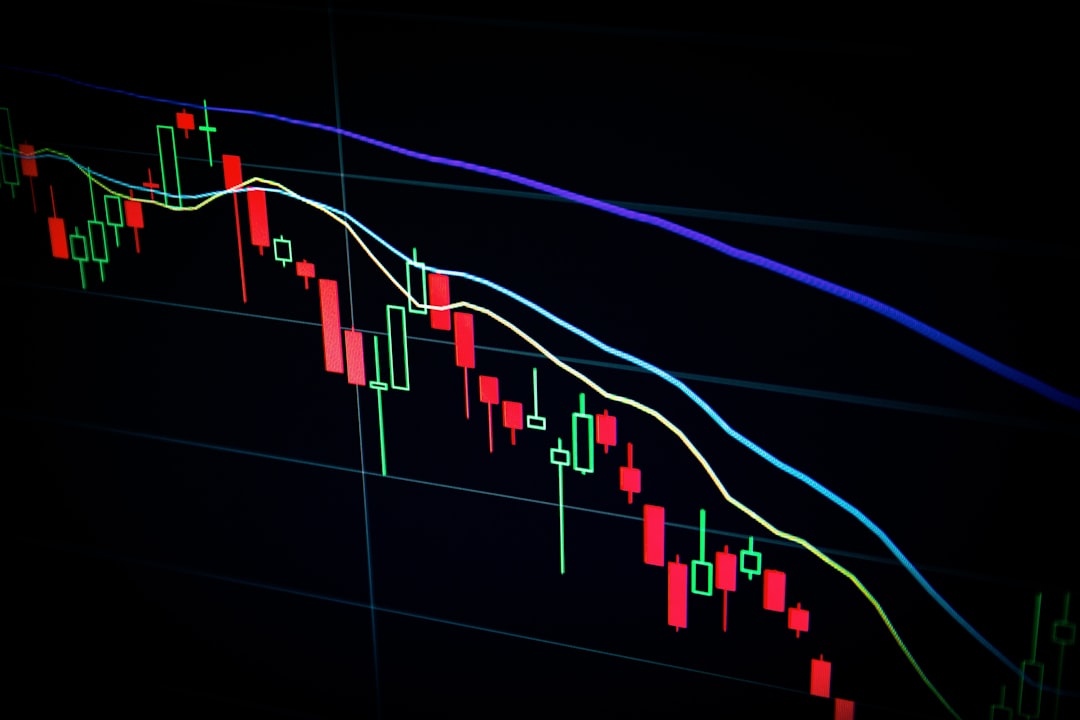
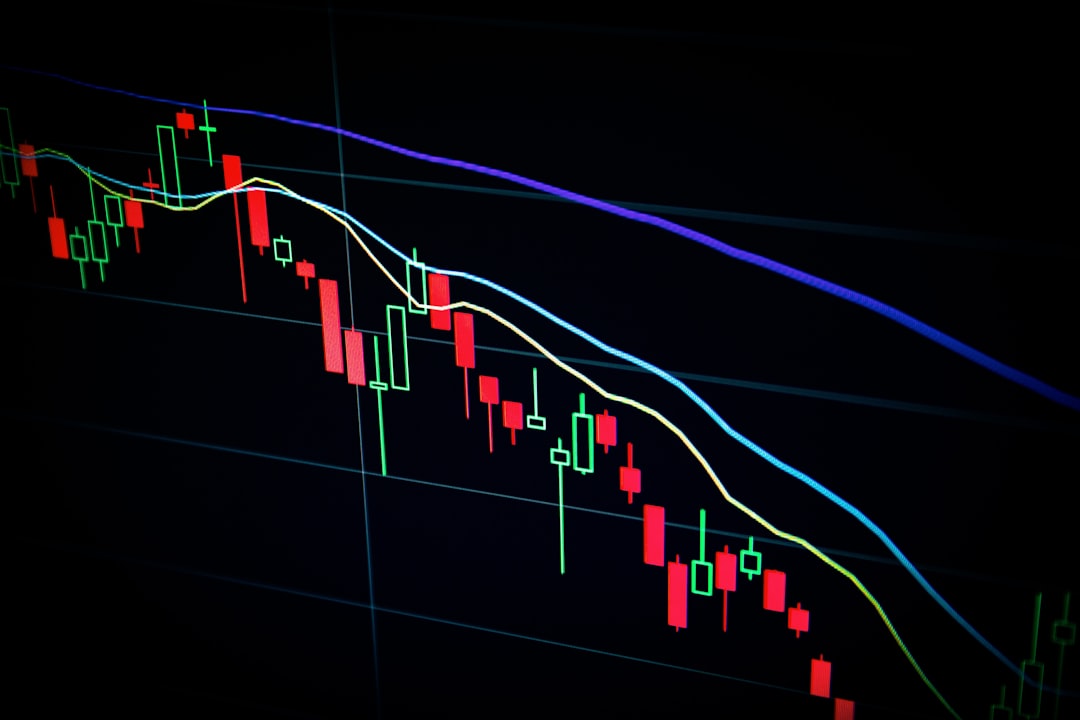
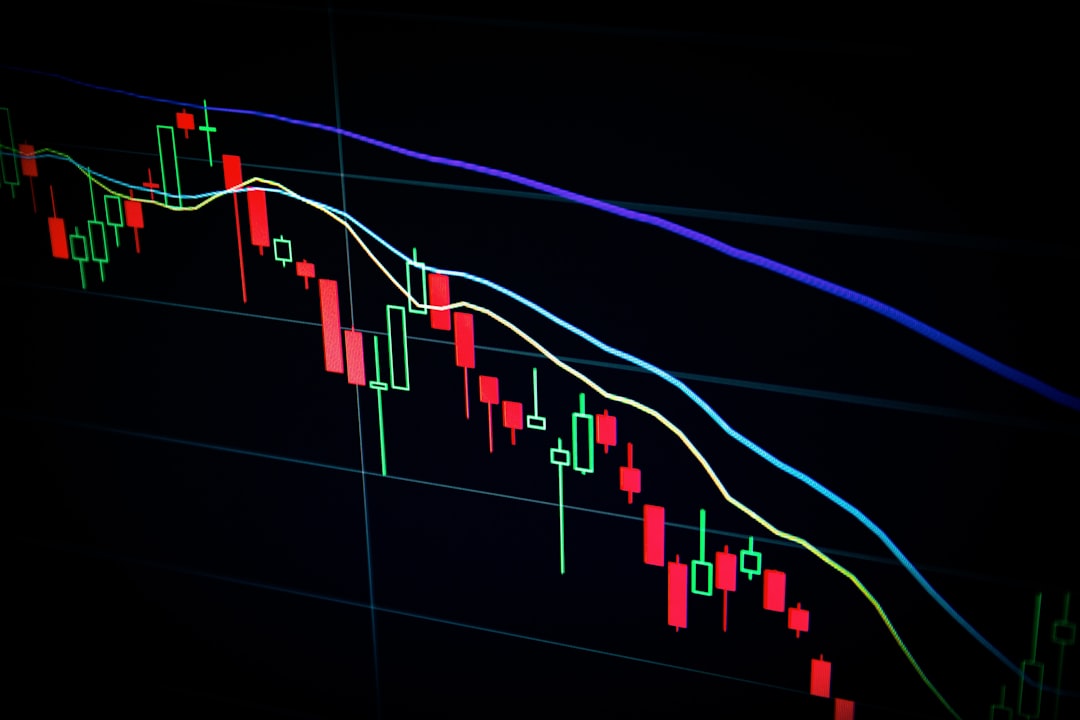
Most retail traders access Forex through online brokers who provide trading platforms. These platforms display real-time prices, charts, and tools to help you analyze the market and execute trades. Your broker acts as an intermediary, matching your trade with the broader market.
What Moves Currency Prices?
Currency values fluctuate based on supply and demand, influenced by numerous factors. Economic indicators like GDP growth, employment data, and inflation reports can cause significant price movements. Central bank decisions on interest rates are particularly powerful, as higher rates typically attract foreign investment and strengthen a currency.
Political events, geopolitical tensions, and market sentiment also play crucial roles. A country with stable politics and strong economic fundamentals generally has a stronger currency. Traders constantly analyze these factors to predict future price movements and make informed trading decisions.
Essential Concepts for Forex Beginners
Before you start trading, understand these fundamental concepts. A pip (percentage in point) is the smallest price movement in most currency pairs, typically the fourth decimal place. A lot represents the volume of currency you're trading—a standard lot is 100,000 units, but beginners often start with mini lots (10,000 units) or micro lots (1,000 units).
Margin is the amount of money required to open and maintain a leveraged position. If your account balance falls below the margin requirement, you'll receive a margin call, requiring you to add funds or close positions. Understanding these terms prevents costly mistakes and helps you manage your trading account effectively.
Remember that successful Forex trading isn't about getting rich quickly—it's about developing skills, managing risk carefully, and making informed decisions based on analysis rather than emotion.
Ready to begin your Forex journey? Start by opening a demo account to practice trading with virtual money. This risk-free environment lets you learn the mechanics, test strategies, and build confidence before committing real capital. Take time to educate yourself thoroughly, and never risk more than you can afford to lose.