How to Start Learning Forex Trading From Zero
Starting Forex trading can feel overwhelming when you don't know where to begin. Many aspiring traders jump into live markets without proper education, leading to costly mistakes. This guide breaks down the essential steps to start learning Forex trading from absolute zero, building a solid foundation that helps you understand currency markets, develop realistic expectations, and avoid common beginner pitfalls.
Understanding What Forex Trading Actually Is
Forex trading means buying and selling currency pairs like EUR/USD or GBP/JPY to profit from exchange rate changes. The Forex market operates 24 hours daily, five days weekly, making it the world's largest financial market with over $6 trillion in daily trading volume. Unlike stock markets, you're always trading one currency against another—when you buy EUR/USD, you're simultaneously buying euros and selling US dollars.
Before diving deeper, grasp these fundamental concepts:
- Currency pairs: Always quoted in pairs showing the exchange rate between two currencies
- Pips: The smallest price movement in most currency pairs (0.0001)
- Leverage: Borrowed capital that magnifies both potential profits and losses
- Spread: The difference between buying and selling prices, representing your trading cost
Essential Steps to Begin Your Forex Education
Follow this structured learning path to build proper trading knowledge. First, dedicate 2-3 weeks to education before risking any money. Start with reputable free resources like Babypips School of Pipsology, broker educational sections, and YouTube channels focused on realistic trading education. Avoid courses promising quick riches or secret strategies—these are red flags.
Second, open a demo account with a regulated broker. Demo accounts provide practice with virtual money, letting you learn platform navigation, order placement, and strategy testing without financial risk. Practice for at least one month, treating demo trades as seriously as real money.
| Learning Phase | Time Investment | Key Activities |
|---|---|---|
| Education Foundation | 2-4 weeks | Study terminology, market mechanics, basic analysis |
| Demo Trading | 1-3 months | Practice strategies, test platforms, develop discipline |
| Micro Account Trading | 3-6 months | Start with smallest real positions, refine approach |
| Gradual Growth | Ongoing | Increase position sizes slowly as skills improve |
Critical Skills Every Beginner Must Develop
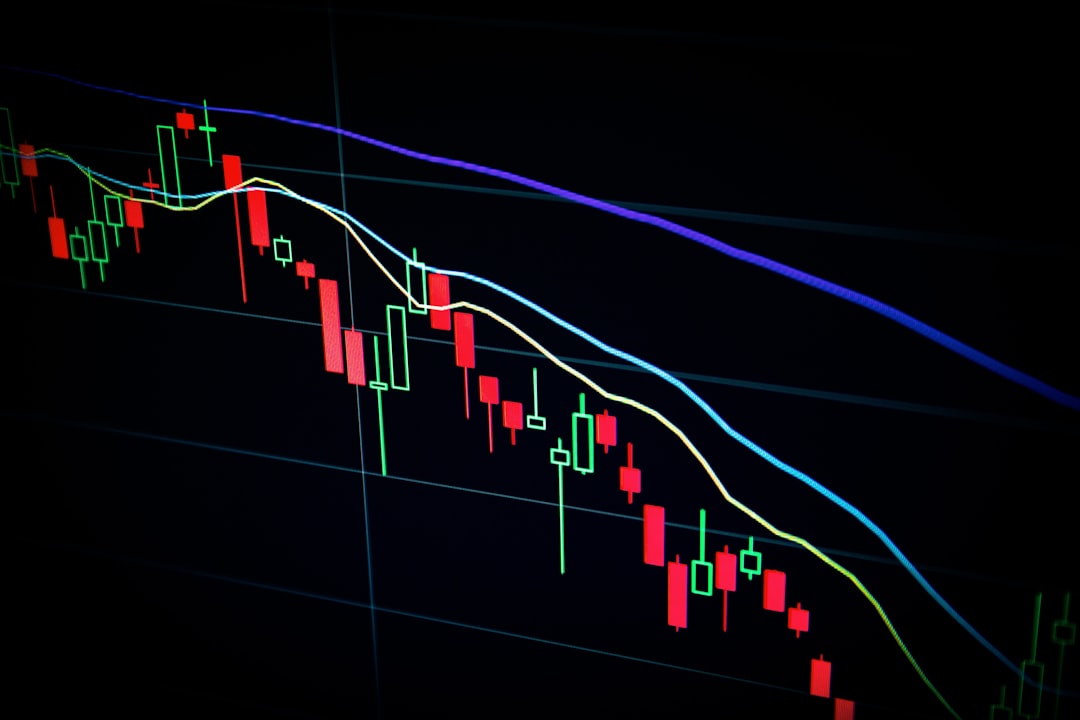
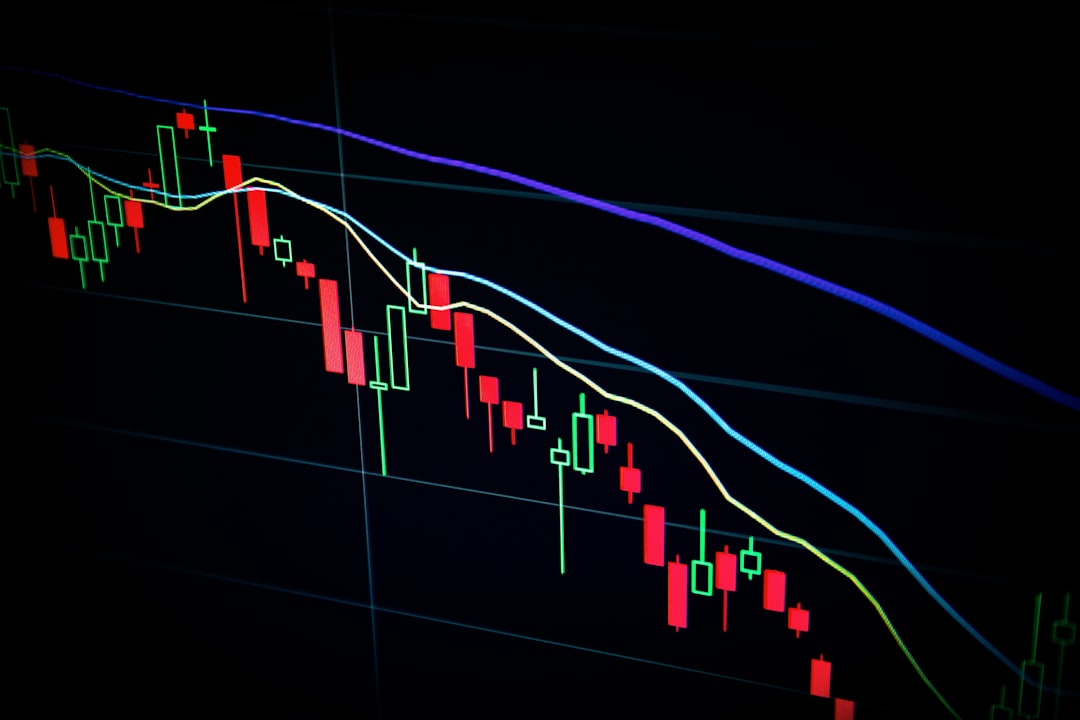
Technical analysis involves studying price charts, patterns, and indicators to identify potential trading opportunities. Learn to read candlestick charts, understand support and resistance levels, and use 2-3 simple indicators like moving averages. Don't overwhelm yourself with dozens of indicators—simplicity beats complexity for beginners.
Risk management matters more than winning trades. Never risk more than 1-2% of your account on any single trade. Use stop-loss orders on every position to limit potential losses. Calculate your position size based on your stop-loss distance and account size. Most successful traders win only 40-60% of trades but remain profitable through disciplined risk management.
Common Beginner Mistakes to Avoid
New traders frequently sabotage themselves through predictable errors. Overtrading happens when you take too many positions, usually from boredom or revenge trading after losses. Quality beats quantity—wait for high-probability setups matching your strategy. Overleveraging amplifies losses beyond your account's ability to withstand normal market volatility. Start with minimal leverage (1:10 or less) until you consistently demonstrate profitable trading.
Emotional decision-making destroys accounts faster than anything else. Fear causes you to exit winning trades prematurely while greed keeps you in losing positions hoping for reversals. Develop a written trading plan specifying entry rules, exit rules, position sizing, and risk limits. Follow this plan mechanically, removing emotion from trading decisions.
Building Your Trading Plan and Routine
Create a simple trading plan documenting your strategy, risk rules, and trading schedule. Specify which currency pairs you'll trade, what timeframes you'll analyze, and what technical or fundamental signals trigger your entries. Include maximum daily loss limits to prevent emotional spiral trading after bad days.
Establish a consistent routine: review markets at the same times daily, analyze your trades weekly, and journal every position noting your reasoning and lessons learned. This systematic approach builds discipline and provides data for continuous improvement. Start small, stay patient, and remember that professional traders spend years developing expertise—there are no shortcuts to sustainable success.
Starting Forex trading from zero requires structured education, disciplined practice, and realistic expectations. Focus on building solid fundamentals, practicing risk management, and developing emotional control before pursuing profits. Take advantage of demo accounts and educational resources, then transition gradually to real trading with money you can afford to lose. Your Forex education never truly ends—commit to continuous learning as markets constantly evolve.