The Difference Between Forex and Crypto Trading
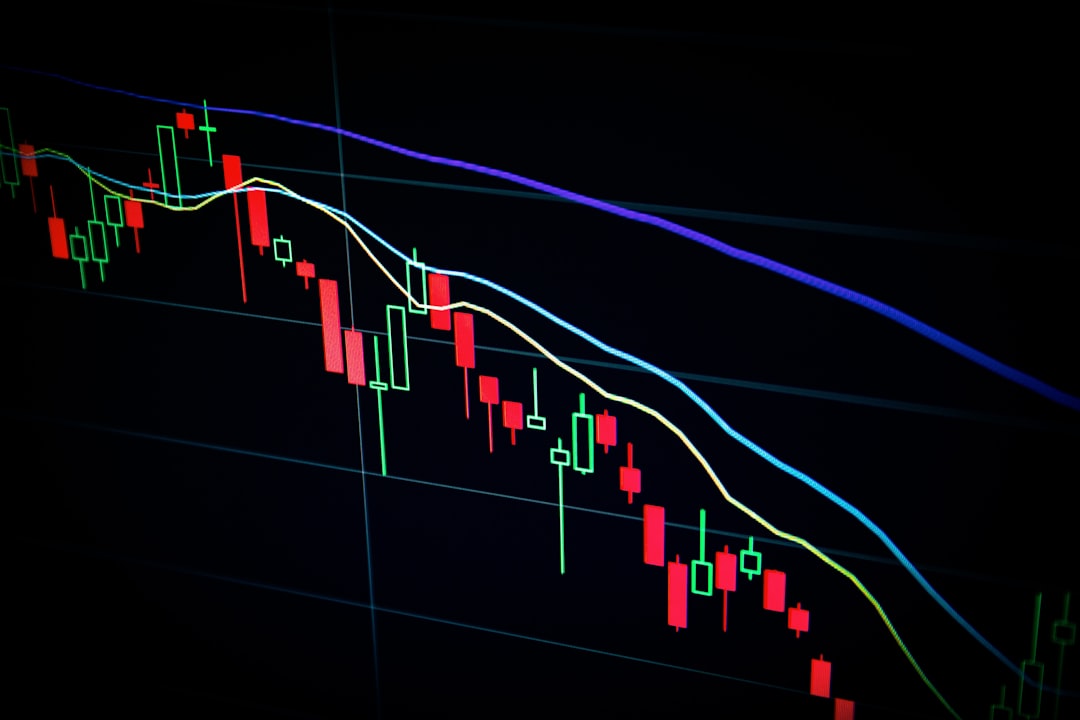
Both Forex and cryptocurrency trading offer exciting opportunities for beginners, but they operate very differently. Many new traders wonder which market suits their goals, risk tolerance, and schedule. Understanding the core differences between these two trading environments helps you make informed decisions about where to start your trading journey. In this guide, we'll explore the key distinctions between Forex and crypto trading to help you choose the right path.
Market Hours and Accessibility
One of the most significant differences between Forex and crypto markets is when they operate. The Forex market runs 24 hours a day, five days a week, opening Sunday evening and closing Friday afternoon (Eastern Time). It follows the global banking schedule, giving you weekends off from trading.
Cryptocurrency markets never close. They operate 24/7, including weekends and holidays. This constant availability means you can trade Bitcoin, Ethereum, or other digital assets any time, but it also means price movements happen when you're sleeping.
For beginners with full-time jobs, Forex offers predictable trading windows during specific sessions (London, New York, Tokyo, Sydney). Crypto's always-on nature requires more vigilance or automated tools to monitor positions around the clock.
Volatility and Price Movement
Price volatility differs dramatically between these markets. Forex pairs typically move in smaller increments, with major pairs like EUR/USD changing 0.5-1% daily under normal conditions. This relatively stable movement makes position sizing more predictable for beginners.
Cryptocurrency volatility is significantly higher. Bitcoin can swing 5-10% in a single day, and smaller altcoins can move 20-50% or more. While this creates profit opportunities, it also dramatically increases risk, especially for inexperienced traders using leverage.
| Factor | Forex Trading | Crypto Trading |
|---|---|---|
| Daily Volatility | 0.5-1% (major pairs) | 5-10%+ (Bitcoin) |
| Market Hours | 24/5 (weekdays only) | 24/7 (always open) |
| Regulation | Heavily regulated | Limited regulation |
| Minimum Capital | $100-$500 typical | $10+ possible |
Regulation and Security
Regulatory oversight represents another crucial difference. Forex brokers in developed countries operate under strict regulations from authorities like the CFTC (US), FCA (UK), or ASIC (Australia). These regulations protect traders through segregated accounts, compensation schemes, and transparency requirements.
Crypto exchanges face fewer regulatory requirements, though this is changing. Many operate without traditional oversight, increasing risks of fraud, hacking, or platform failures. Some traders have lost funds when exchanges collapsed or were hacked.
For beginners prioritizing safety, regulated Forex brokers offer more protection. However, reputable crypto exchanges with proper security measures exist—research is essential.
Trading Costs and Leverage
Cost structures differ between markets. Forex trading typically involves tight spreads (the difference between buy and sell prices) on major pairs, often 1-3 pips. Commissions may apply depending on your broker's model. Leverage commonly ranges from 50:1 to 500:1, though responsible brokers recommend much lower ratios for beginners.
Crypto trading fees vary widely by exchange, typically 0.1-0.5% per trade. Spreads can be wider, especially on less popular coins. Leverage options exist but are often lower (2:1 to 20:1) and come with extreme risk given crypto's volatility.
Both markets charge overnight financing costs for positions held past the daily rollover, though the calculation methods differ.
Which Market Suits Beginners?
Your choice depends on personal factors. Choose Forex if you prefer more stable price action, stronger regulation, and don't want weekend trading obligations. It's ideal for learning technical analysis in a less volatile environment.
Consider crypto if you're comfortable with higher risk, want 24/7 market access, and can start with smaller capital. The learning curve remains steep, but the flexibility appeals to many new traders.
Many experienced traders eventually participate in both markets, applying skills learned in one to opportunities in the other. Whichever you choose, start with education, practice on demo accounts, and never risk more than you can afford to lose.
Understanding these fundamental differences helps you set realistic expectations and choose the trading environment that matches your goals, schedule, and risk tolerance. Both markets offer legitimate opportunities for those who approach them with discipline, patience, and proper education.