The Best Time Frames for Beginner Forex Traders
Choosing the right time frame is one of the most important decisions new Forex traders face. Many beginners jump into short-term trading without understanding how different time frames affect their analysis, risk exposure, and emotional control. This guide will help you understand the main time frame categories and discover which ones match your experience level, available time, and learning goals as you start your trading journey.
Understanding Forex Time Frames
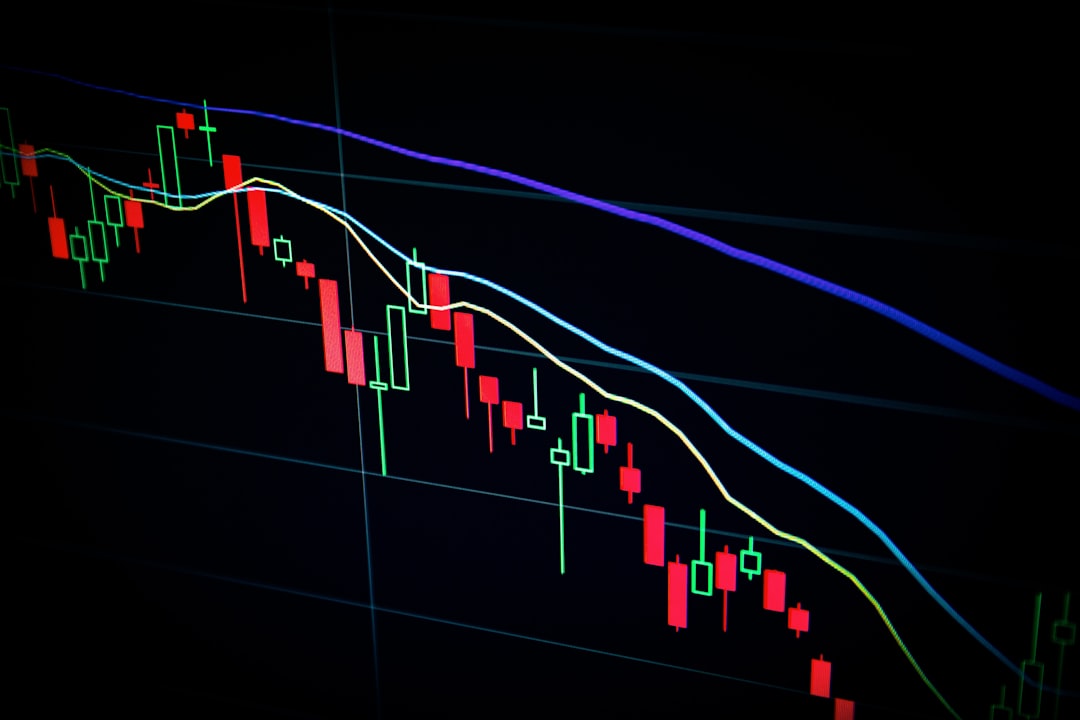
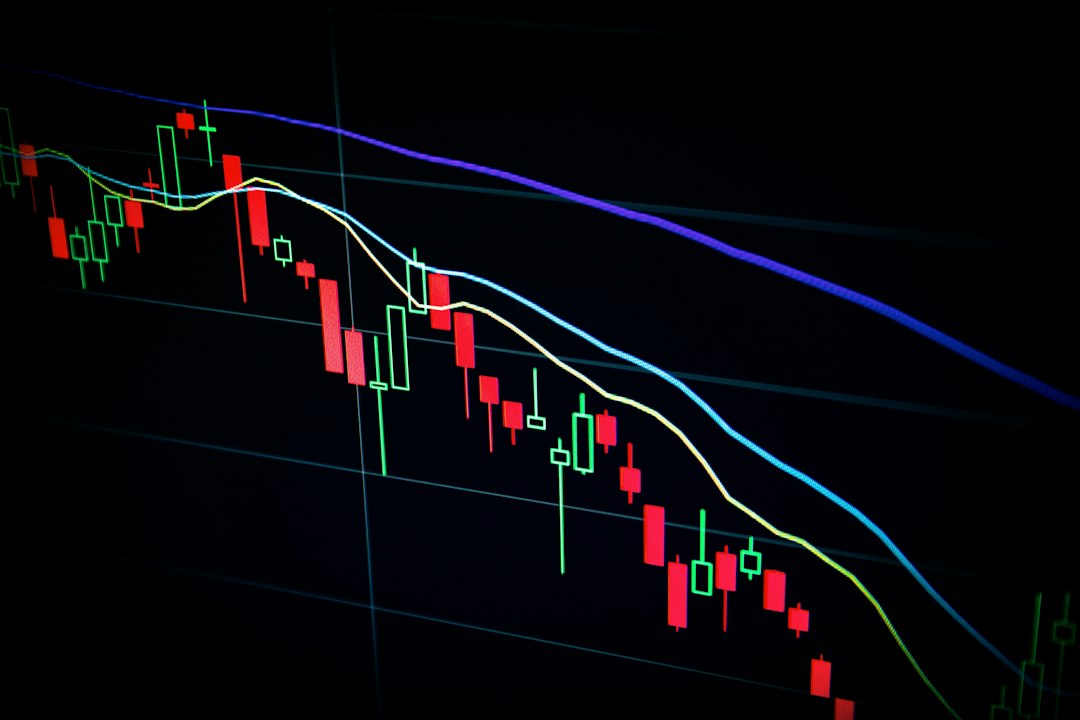
A time frame in Forex trading refers to the period each candlestick or bar represents on your chart. Common time frames range from one minute (M1) to one month (MN). Time frames are typically grouped into three categories: short-term (M1 to H1), medium-term (H4 to D1), and long-term (W1 to MN). Each category serves different trading styles and requires different levels of attention and analysis skills.
For beginners, understanding that shorter time frames show more price noise while longer time frames reveal clearer trends is essential. The time frame you choose directly impacts how often you trade, how much time you spend monitoring charts, and how quickly you need to make decisions.
Time Frame Comparison for Beginners
| Time Frame | Chart Period | Best For Beginners | Time Commitment |
|---|---|---|---|
| M1-M15 | 1-15 minutes | Not recommended | Constant monitoring |
| H1-H4 | 1-4 hours | Intermediate option | Several checks daily |
| D1 | Daily | Highly recommended | Once or twice daily |
| W1 | Weekly | Good for learning | Weekly analysis |
Why Daily Charts Work Best for Beginners
The daily (D1) time frame is widely considered the best starting point for beginner Forex traders. Daily charts filter out much of the random price movement that confuses new traders on shorter time frames. You can analyze the market once in the morning and once in the evening without feeling pressured to watch screens all day.
Daily charts also give you more time to think through your trading decisions, research fundamental factors affecting currency pairs, and manage your emotions. Patterns and support/resistance levels tend to be more reliable on daily charts than on minute charts. This reliability helps beginners build confidence in their technical analysis skills without getting stopped out by short-term volatility.
Another advantage is that daily charts require less time commitment, making them suitable for people who work full-time jobs or have other responsibilities. You can develop solid trading habits and discipline without sacrificing your entire day to chart watching.
Common Time Frame Mistakes Beginners Make
Many new traders mistakenly believe that trading shorter time frames will help them make money faster. This thinking leads to overtrading, increased transaction costs from spreads, and emotional exhaustion from constant decision-making. Minute charts amplify every small price movement, making it difficult to distinguish between meaningful trends and random noise.
Another common error is switching time frames inconsistently. Some beginners analyze on the daily chart but then panic and check minute charts when trades move against them. This creates confusion and undermines your trading plan. Stick with one primary time frame, especially while learning, and use higher time frames only for context.
Finally, beginners often ignore that shorter time frames require tighter stop losses and more precise entries, which demand experience most new traders don't yet have. Starting with longer time frames allows you to use wider, more forgiving stop losses while you develop your skills.
Building Your Time Frame Strategy
As a beginner, start with the daily chart as your main trading time frame. Use the weekly chart to identify the overall trend direction and major support/resistance levels. This top-down approach helps you see the bigger picture before making trading decisions.
Once you're consistently profitable on daily charts for at least three to six months, you can experiment with four-hour (H4) charts if you want more trading opportunities. Never rush into shorter time frames just because you're eager to trade more frequently. Quality trades based on clear analysis always beat quantity trades based on impulse.
Remember that successful traders adapt their time frames to their lifestyle and personality. If you can only check charts during lunch breaks and evenings, daily and weekly time frames are your natural fit. Respect your learning curve and resist the temptation to complicate your approach too early.
Choosing the right time frame is a personal decision that should match your experience level and available time. Start with daily charts to build solid analytical skills and trading discipline. As you gain experience and confidence, you can explore other time frames that align with your evolving trading style and goals.